Visit Us
 Contact Us
 Our Farm
 Basket

 Contact Us

 Basket
 Login
Login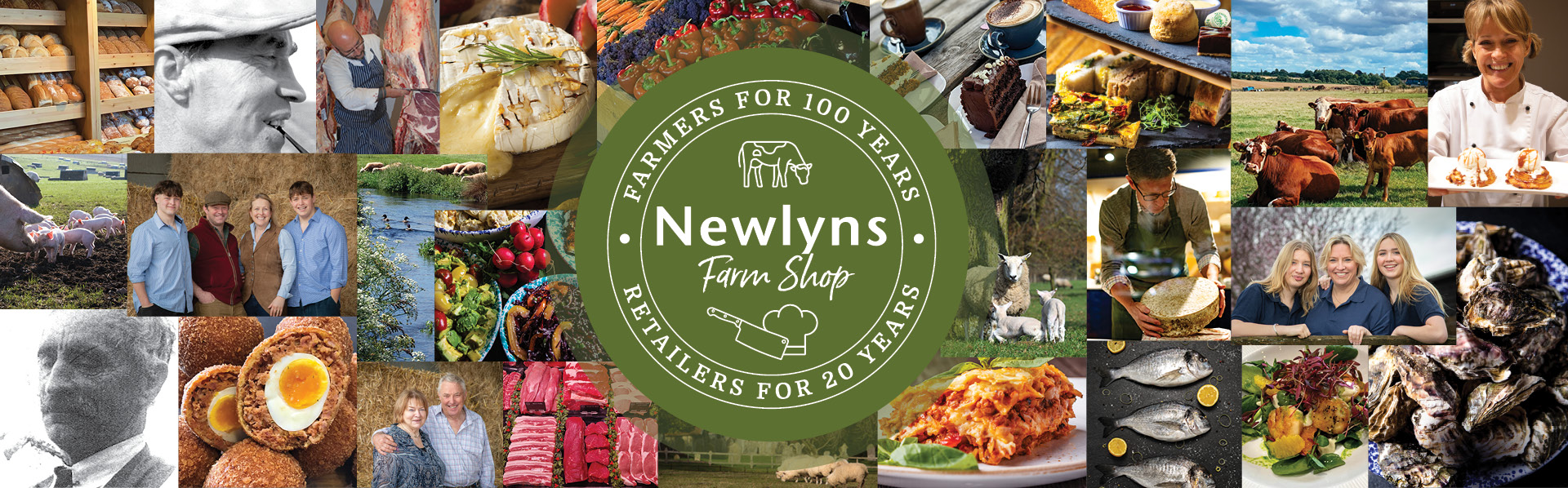
Welcome to Newlyns Farm Shop, Cafe and Cookery School in Hampshire
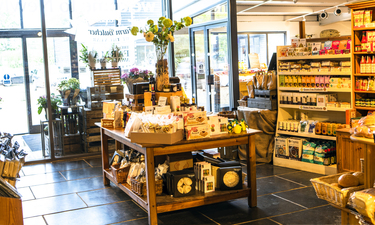
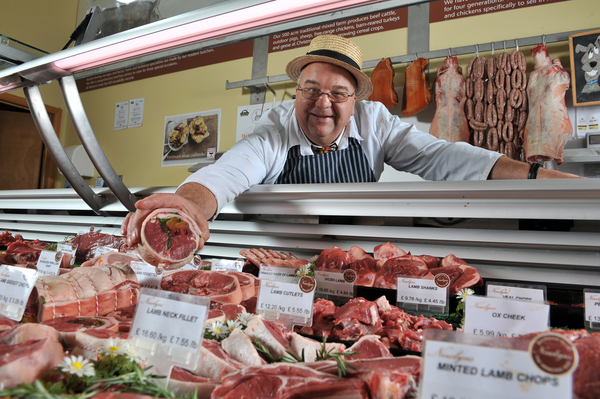
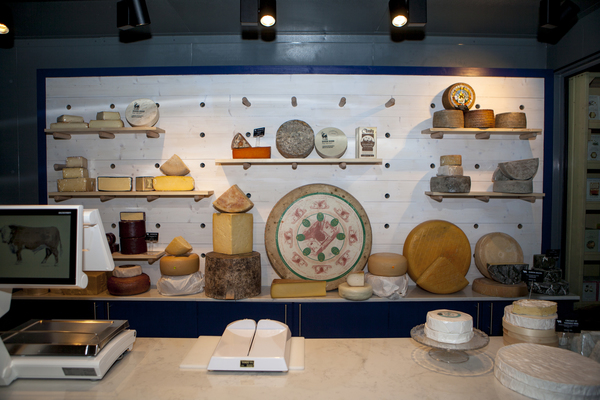
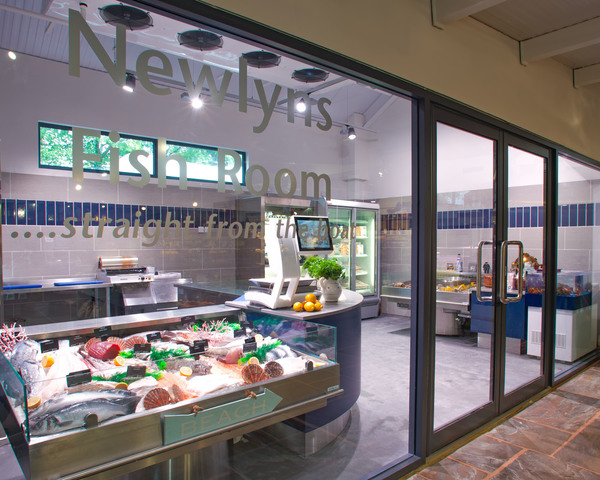
Our Butchery counter offers beef, pork and lamb produced on our farm. Our fish room has fish delivered straight from the boats on the south coast. Our deli counter has a wide selection produced in our production kitchens. We have the freshest seasonal fruit and veg straight from the fields of local farming friends. Bread is delivered daily from two local bakeries and don't forget to visit our very special cheese room.
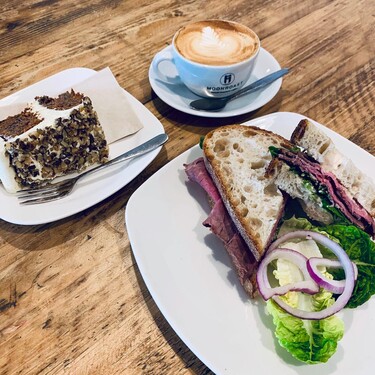
We're a Café
We offer a walk in service in our Cafe and no longer take bookings.
Cafe serving times
Monday - Friday
Breakfast 8:30am - 11:45am
Lunch 12.15pm - 3pm
Sandwiches/Paninis 12.15pm - 4:00pm
Tea, Coffee and Cake until 4pm
Saturday
Breakfast 8am - 11:45am
Lunch 12.15pm - 3pm
Sandwiches & Paninis 12.15pm - 3pm
Tea, Coffee and Cake until 3pm
Sunday All Day Breakfast
9am - 2pm
The cafe closes 30 minutes after the end of serving time.
Dogs are welcome in the outside garden area but not inside the cafe.
We are now taking group bookings of 10+ people.
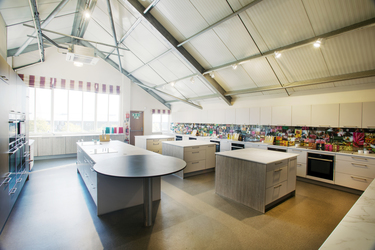
Our talented tutors offer courses for every level from learning the basics to preparing specialist, skilful menus.
During the school holidays we offer a wide range of course for 8-12 year olds and 13+.
Join our next Cookery Course

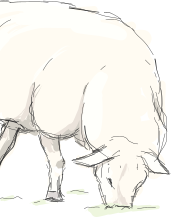
Our family has been producing great food in the heart of Hampshire for four generations and now bring this, and much more, direct to you through our food destination! Newlyns' skilled butchers present great quality meat from lamb, beef, and pork that is produced on our traditional mixed farm, and you will find locally sourced products throughout our Farm Shop, Farm Café and Cookery School.
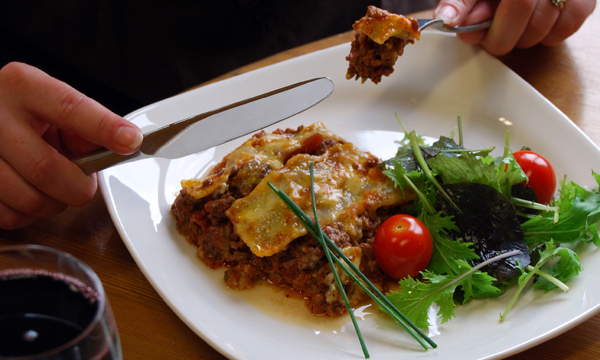
A Newlyns Gift Voucher is the easiest gift imaginable and can be bought for Cookery School courses, treats from the Farm Shop or a meal in the Farm Café. They're perfect if you want to buy a cookery course as a gift, but don't know which to choose. Or treat a cheese lover to their favourites but don't know where to start. The Vouchers are valid for 12 months, allowing for plenty of time for the lucky recipient to decide.
Join our mailing list...
hide